Property types
We built for healthcare first, because it is the hardest property class to get right.
Runko is built for trade-related property: buildings whose value comes from the business run inside them rather than from a rent roll. Healthcare carries the most regulation, the most parties and the most demanding data of any of them, which is why it came first. The dates below are when each of the others becomes available. The chain itself holds wherever a building is valued on the business inside it, which is the United Kingdom, the United States, Europe and much of Asia.
The roll-out runs in three phases, months apart.
Care carries the most regulation, the most parties and the most demanding data in this asset class. Build for it properly and the rest needs configuration rather than a rebuild.
Phase one · live now
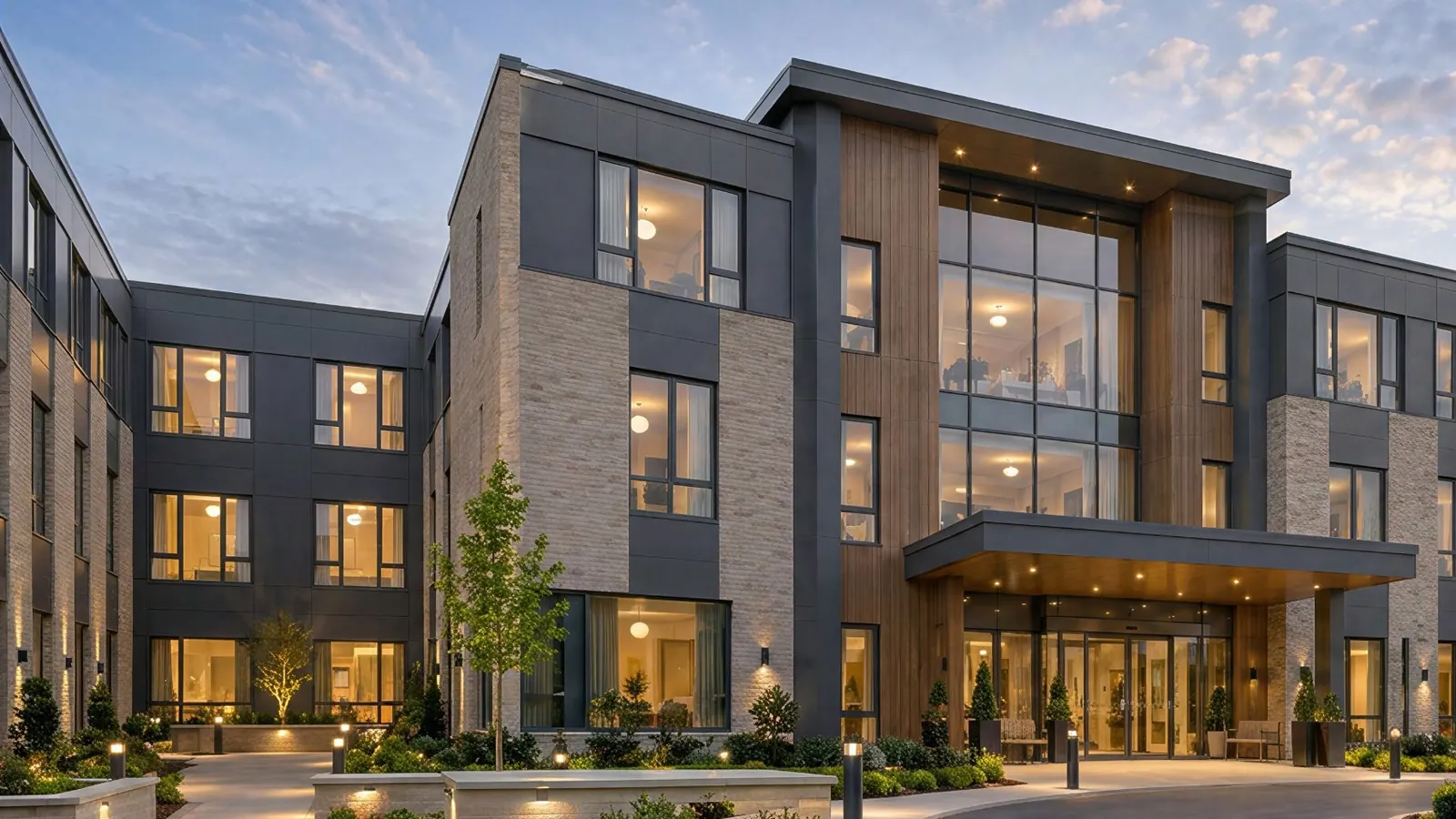
Healthcare
- Care homes and nursing
- Specialist and complex care
- Senior living
- Private hospitals and clinics
Counted per bed. Occupancy, average weekly fee, EBITDARM, rent cover.
Phase two · early Q2 2027
Hospitality and accommodation
- Hotels
- Student accommodation
- Holiday and caravan parks
- Serviced apartments
Counted per room or key. Occupancy becomes RevPAR, and weekly fee becomes average daily rate.
Phase three · early Q3 2027
The wider class
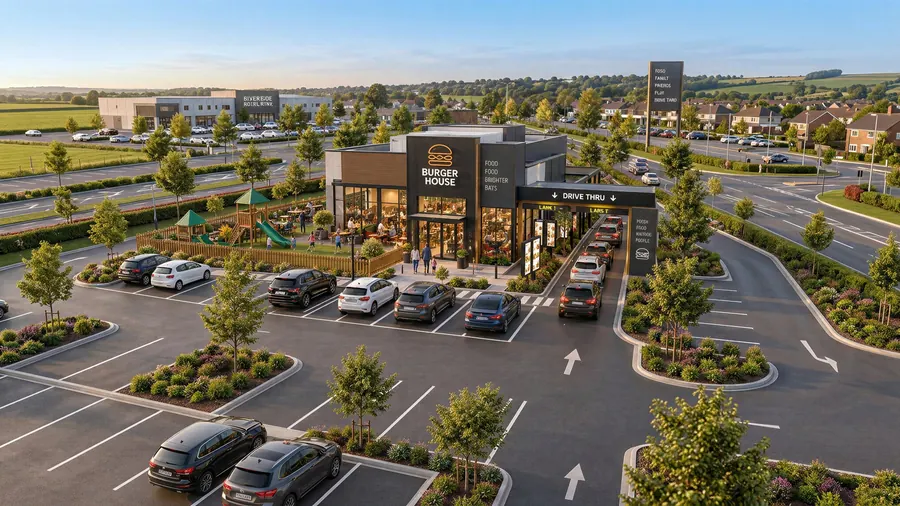
- Pubs, restaurants, drive-through
- Childcare and day nurseries
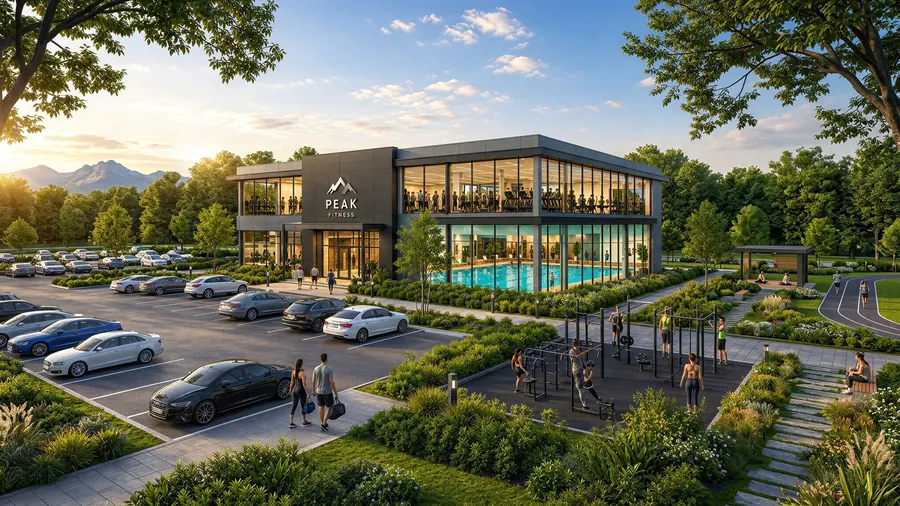
- Fitness and leisure
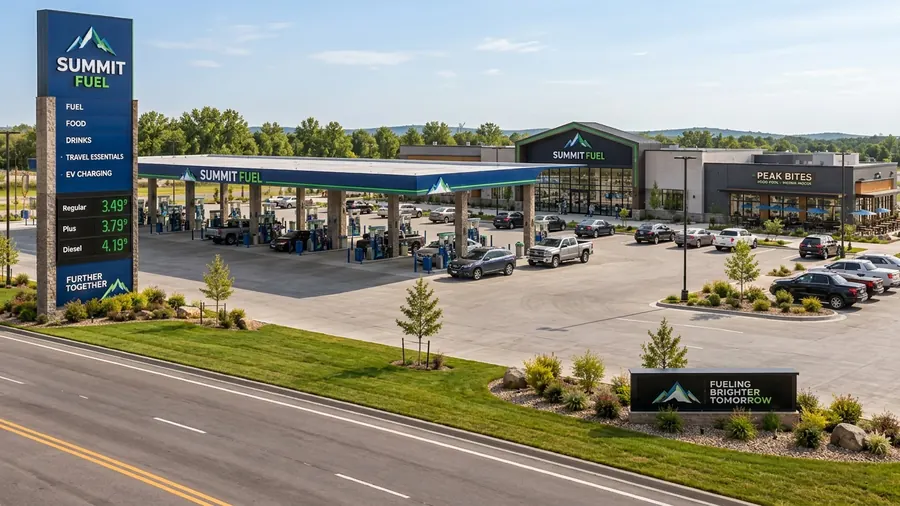
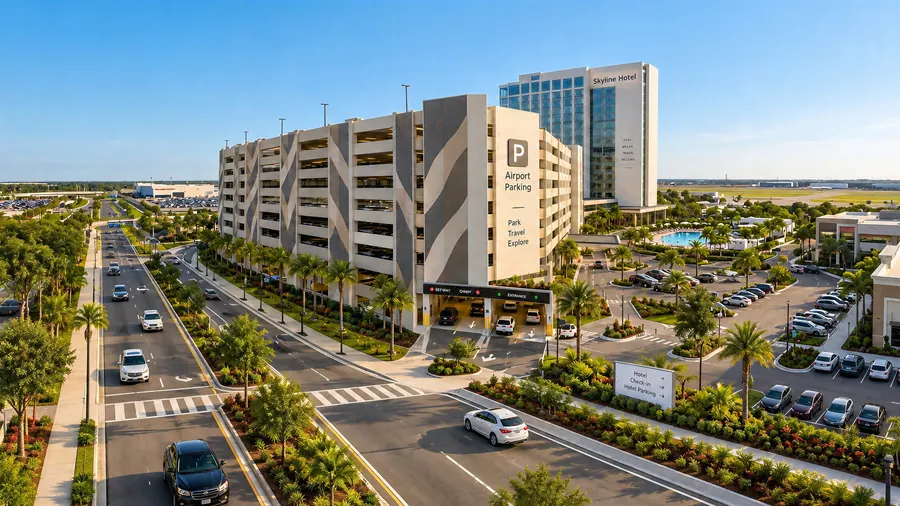
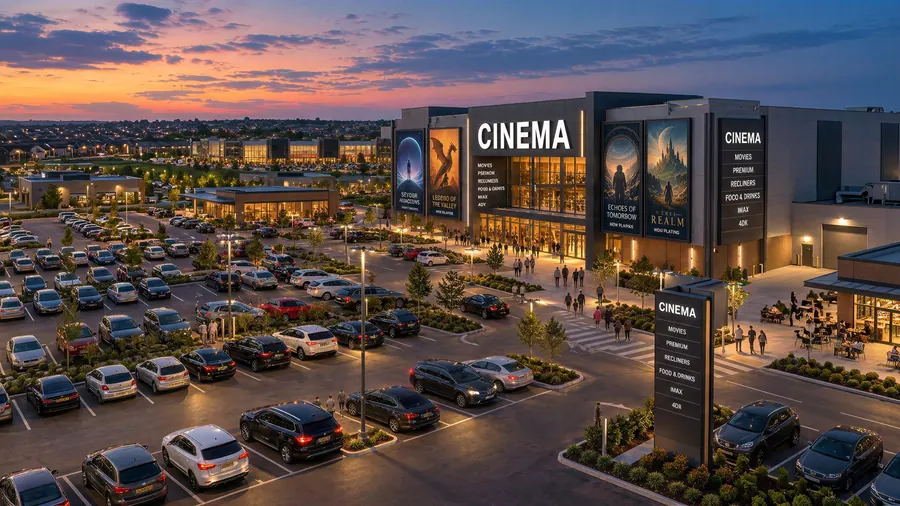
- Forecourts, car parks, cinemas, veterinary
Counted per unit. The chain from trading to valuation to covenant does not change.
Phase one: healthcare, now
Franchise operations
A franchise agreement is a third document, and nobody reads it alongside the lease and the loan.
Across most of the wider class the business inside the building is run under a franchise agreement. Forecourts, drive-through restaurants, gyms, nurseries, hotels. It changes who you are actually exposed to, and it introduces a set of obligations that sit outside the lease entirely.
The royalty comes off before your rent does
A franchise agreement takes a royalty and a marketing levy off turnover, ahead of everything else. So unit level earnings, and therefore rent cover, are struck after a deduction written into a document the landlord is usually not a party to and has often never seen. If the brand raises the levy, your cover moves and nobody tells you.
Who you are exposed to depends on the structure
A franchisor operated unit, a franchisee operated unit and a unit sold and leased back are three different credits in the same building type. The covenant on the lease may be a single site company with one asset, while the brand on the fascia is a multinational. Those are not the same risk and they are routinely recorded as if they were.
The brand specifies the building
Refit cycles, equipment standards, signage and layout are mandated by the franchisor on a timetable of its own, and the cost falls on whoever the lease says it falls on. That is a capital obligation with a date attached, running alongside the repairing covenant and usually tracked in neither place.
Term mismatch is the one that bites
A fifteen year lease against a ten year franchise agreement is a building with five years of unfranchised tail. Whether the agreement renews, on what terms, and whether the brand can move it down the road, are questions about your rent that are answered in somebody else's contract.
The platform holds the franchise agreement beside the lease and the loan agreement, with its term, its renewal date, its royalty and levy rates and its refit obligations read from the document rather than typed in. The point is not that a franchise is worse. It is that the chain from trading to rent cover to valuation runs through a contract most landlord systems do not know exists.
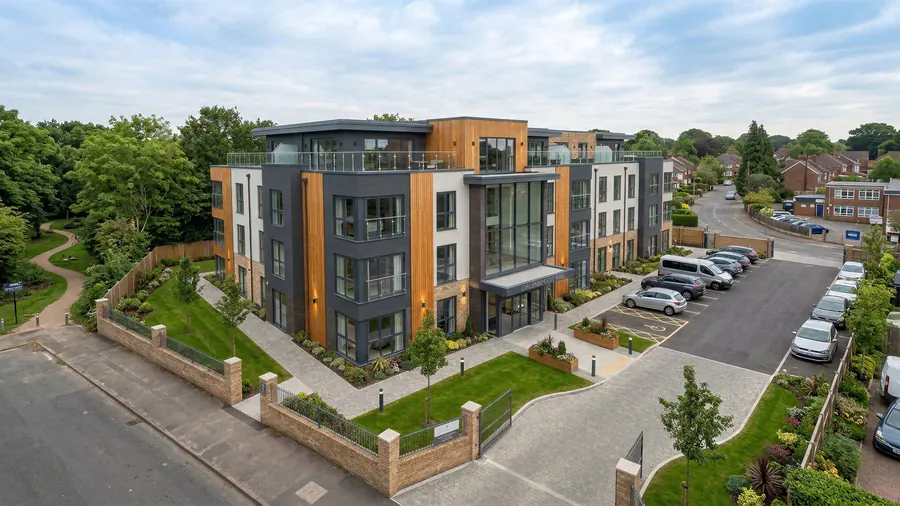
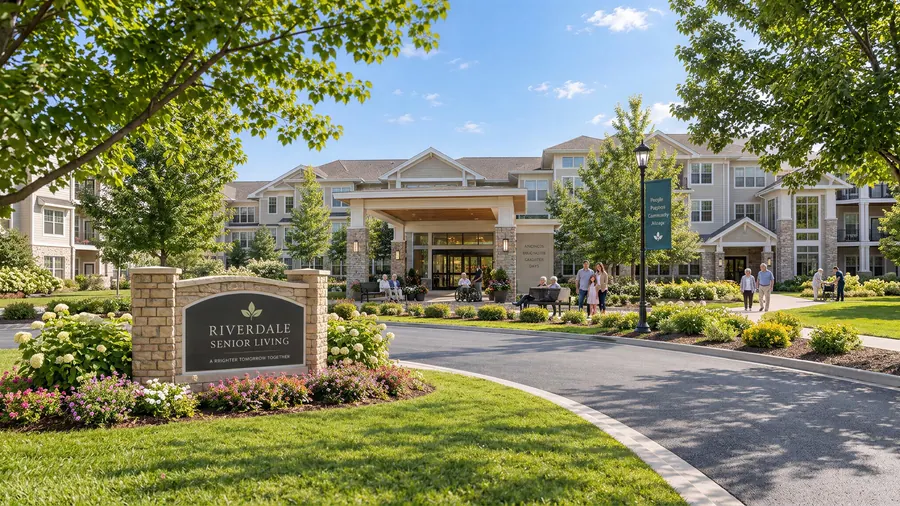
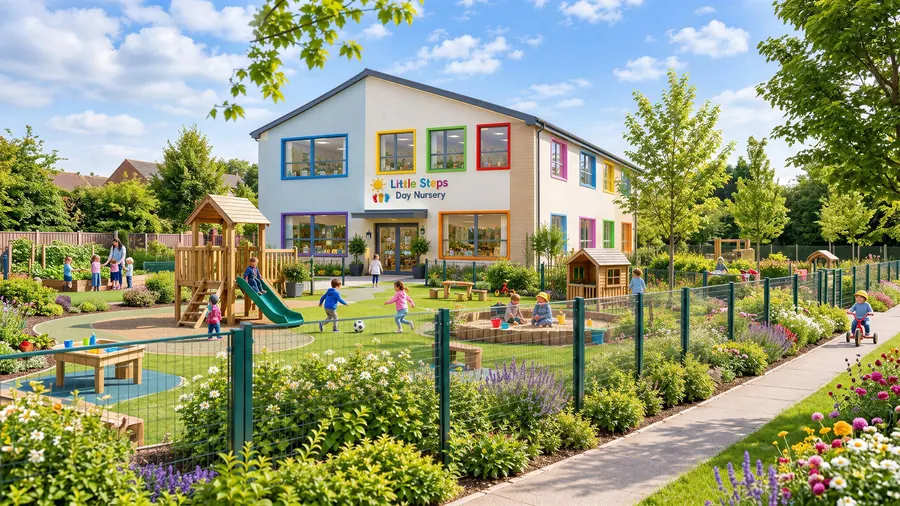
Many kinds of building. One asset class.
These are nine of them. In every one the premises are purpose-built or specially adapted, the income could not be produced without them, and somebody is contractually responsible for a building they do not run as a property business.

Five sites or more?
Start with one module, or one part of the platform, set up around your own reporting cycle rather than a demonstration. Yours, not ours.